
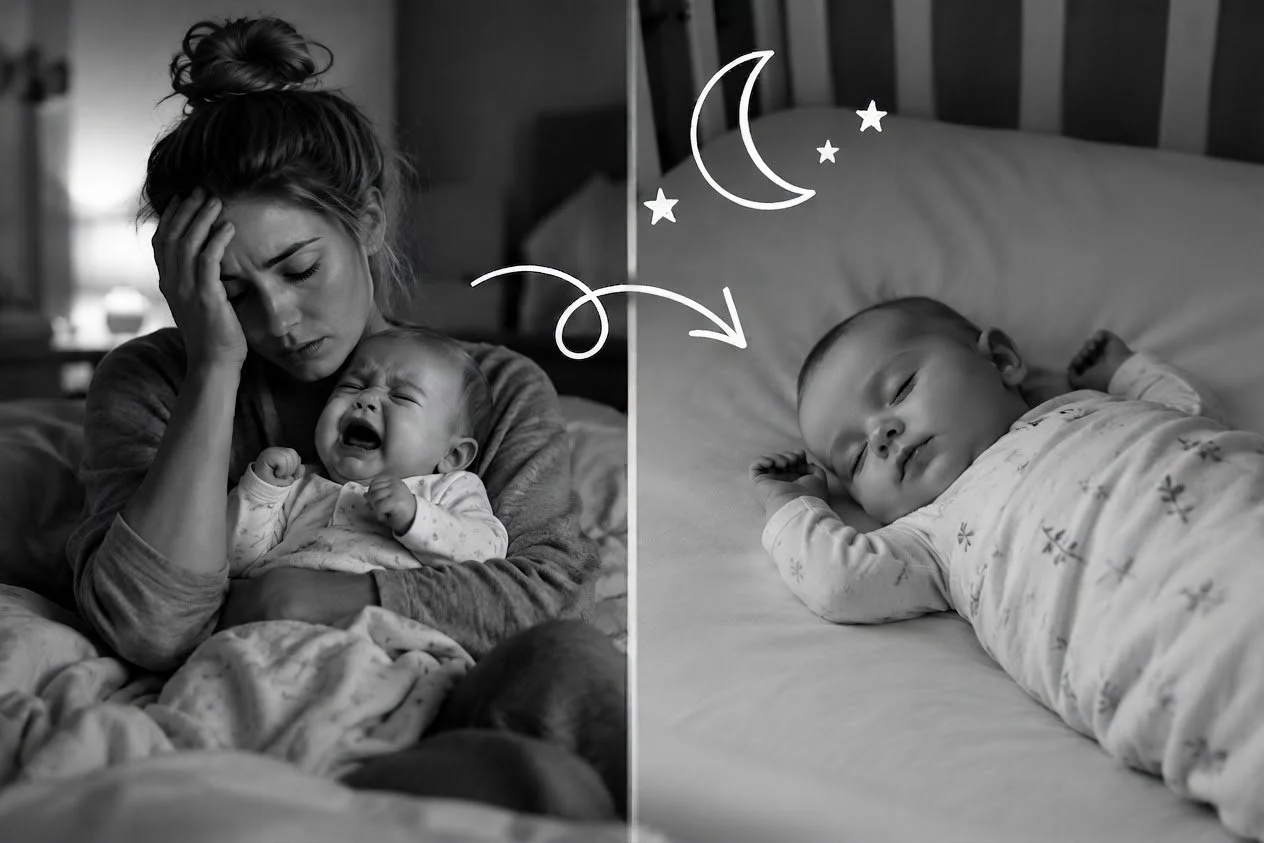
From Infant Sleep Regression to 11 Hours Through the Night
The 4 month sleep regression doesn’t have to mean months of sleepless nights. See how one baby went from an infant sleep regression to sleeping 11 hours through the night with no crying involved.
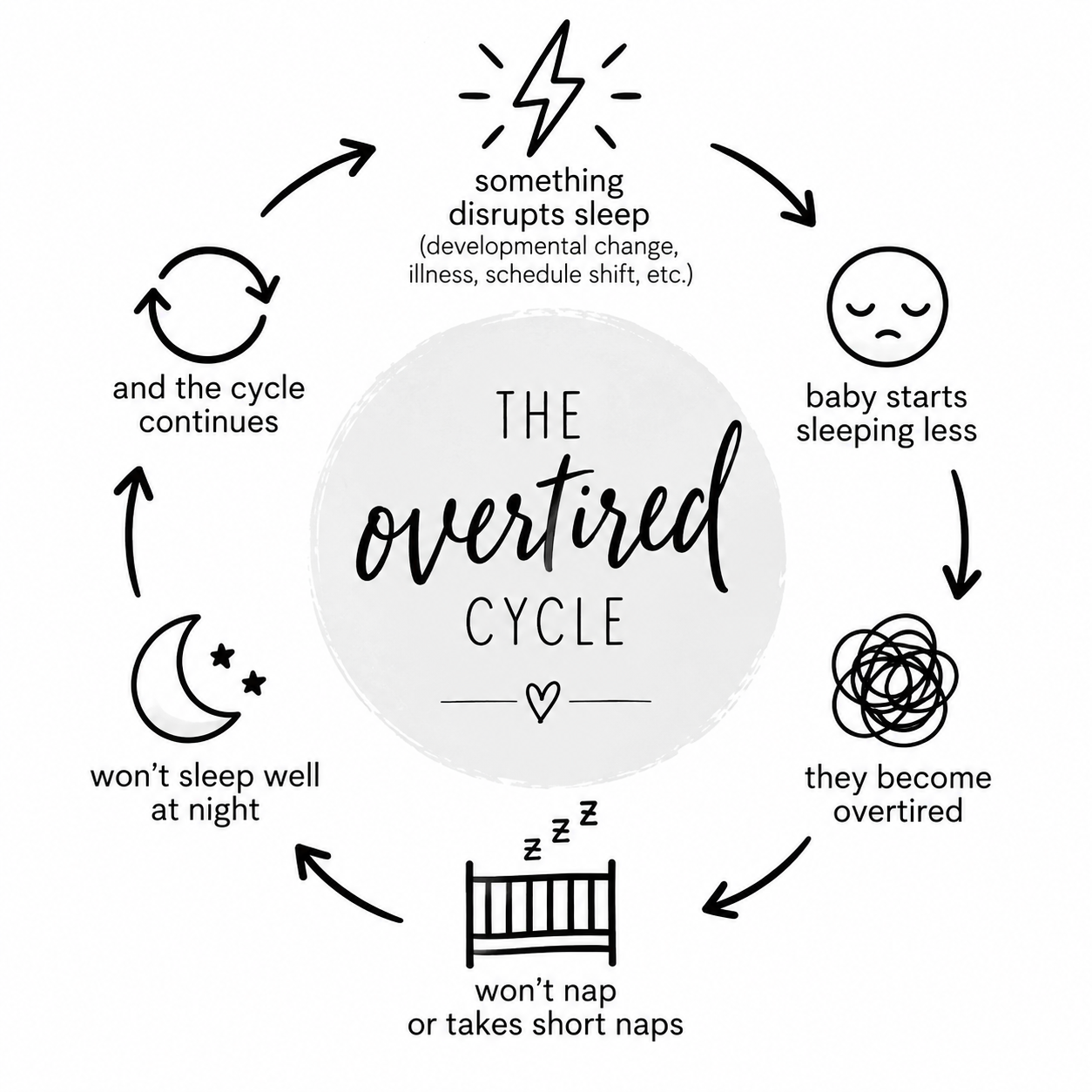
Infant Sleep Regression: Why It Happens and How to Break the Cycle
An infant sleep regression can suddenly turn good sleep into short naps, night wakings, and overtiredness. Learn why this cycle happens, why your baby’s old sleep schedule may stop working, and how small adjustments can help them find their new rhythm.
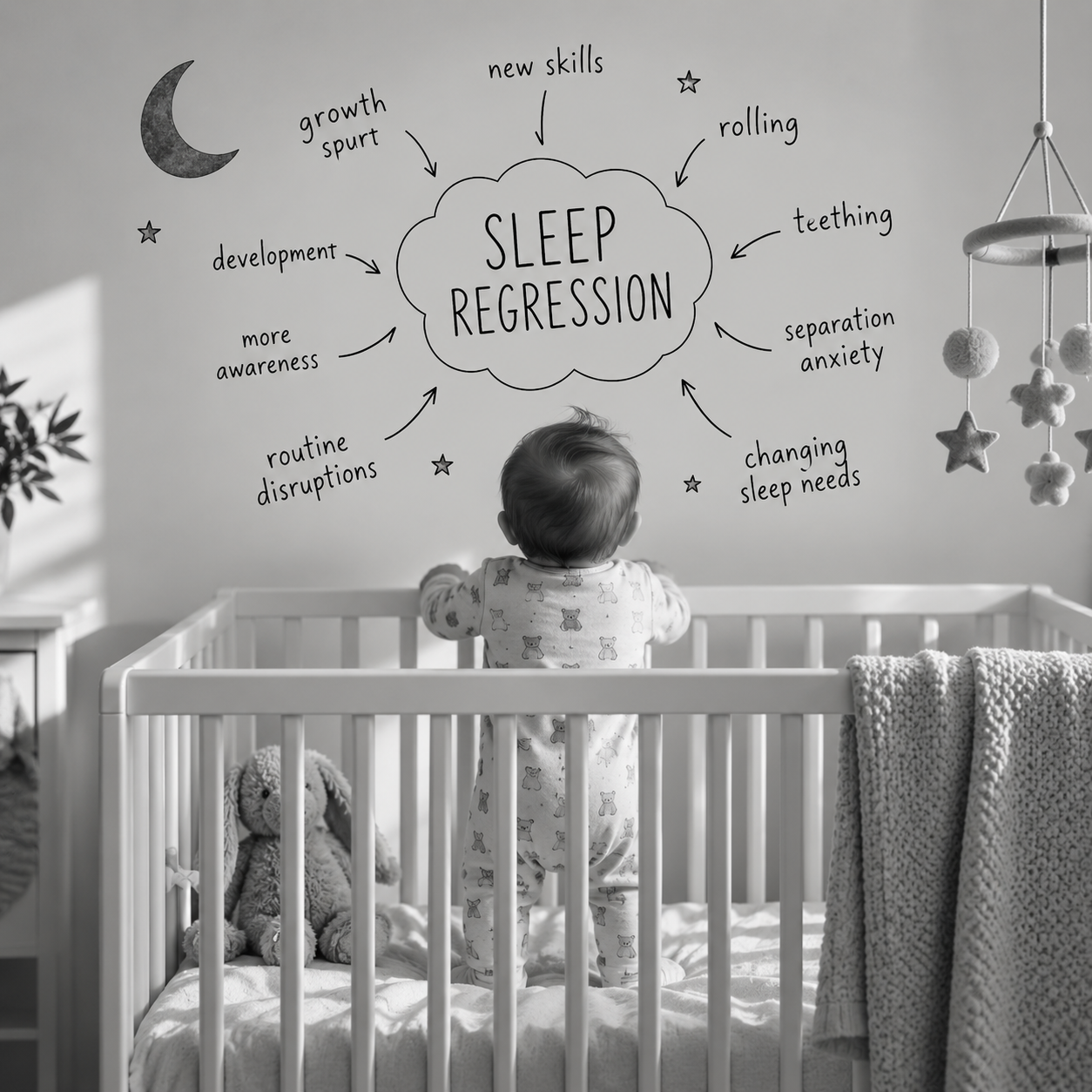
Sleep Regression Ages: What Parents Need to Know
Learn when common sleep regressions happen, what causes them, and how to support your baby or toddler through these temporary sleep disruptions.

Infant Sleep Regression: What’s Really Happening and How to Get Sleep Back on Track
Sleep regressions can feel overwhelming, but they don’t mean good sleep is gone. Learn what may be disrupting your baby’s sleep, how developmental milestones and changing sleep needs play a role, and how to help your baby get back on track.

Sleep Training a 4 Month Old: What I Look at First
Sleep training a 4 month old starts with understanding what your baby needs. Learn how wake windows, naps, daytime feeding, and the right sleep foundation can help your baby sleep longer, more consolidated stretches at night.

Baby Won’t Nap Longer Than 30 Minutes? Here’s Why
If your baby won’t nap longer than 30 minutes, there’s usually a reason. Learn what may be causing short naps and the key things I look at to help babies connect sleep cycles and stay asleep longer.
Sleep Training a 6 Month Old: Why You Don’t Have to Wait Until 6 Months
Six months is often recommended as the time to start sleep training, but better sleep can begin much earlier. Learn how small adjustments to wake windows, naps, feedings, and your baby’s individual daytime rhythm can build the foundation for longer, more consistent nights.

How to Stop Contact Naps: A Practical Guide to Independent Crib Sleeping
Contact naps can be sweet, but they can also become exhausting when your baby struggles to sleep anywhere else. Learn why contact naps happen and how to build the foundation for more independent, restful crib naps.

Baby Sleep Coach: How Personalized Guidance Restores Your Family's Rest
Are you looking for a baby sleep coach who will walk you through every step and help you along the way so you always know you are on the right path? When you are exhausted and doubting your decisions, you won't be left alone trying to figure out wake windows, schedules, and sleep training methods by yourself.

Witching Hour Baby: What’s Really Going On in the Evening?
The baby witching hour can make evenings feel overwhelming, but there’s often more happening than simple fussiness. Learn how sleep, wake windows, feeding, tummy discomfort, and the overall flow of the day can all come together by evening, and what you can do to help.
How Long Does the 4 Month Sleep Regression Last?
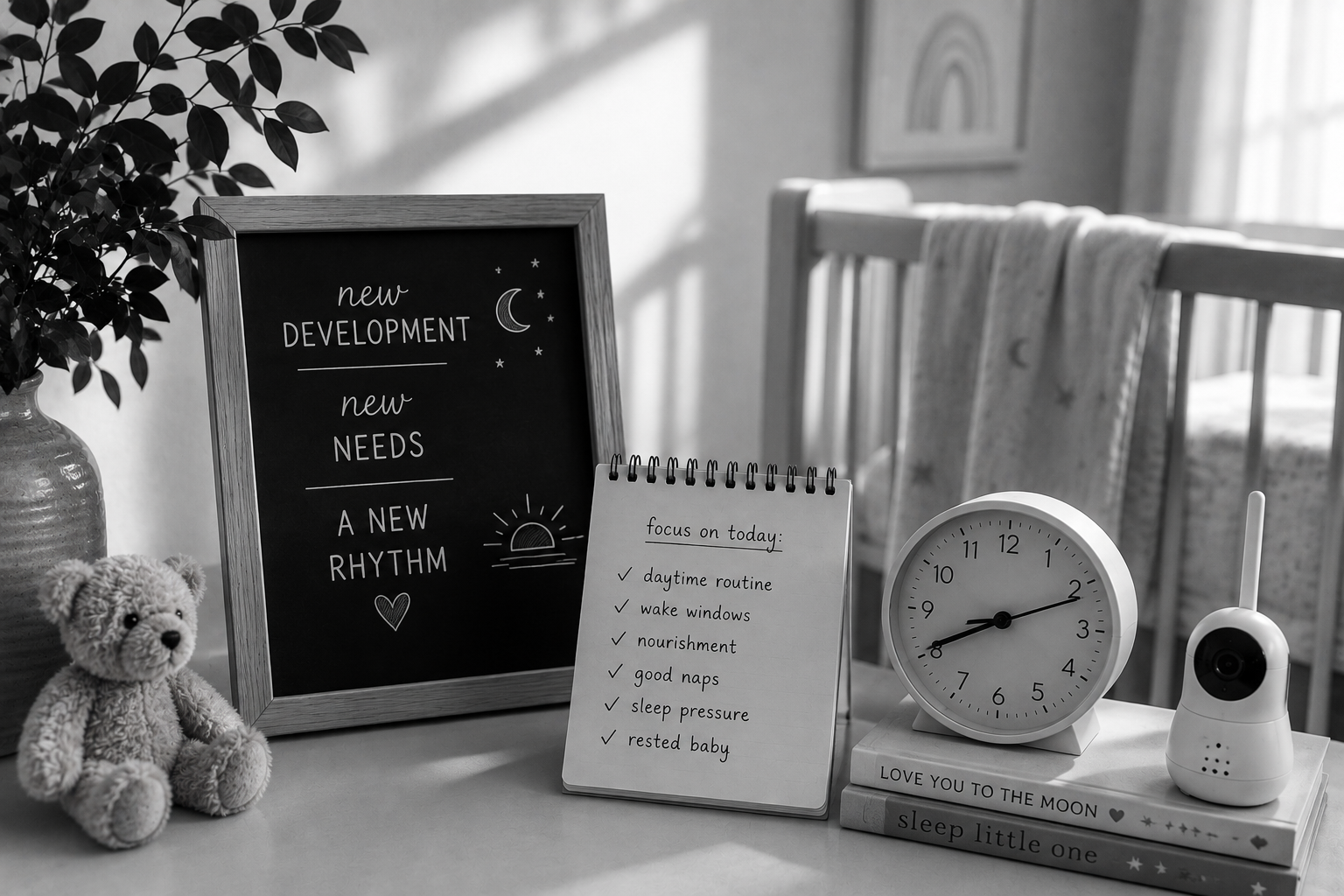
The 4 month sleep regression is a real developmental shift, but you don’t have to simply wait it out. Learn why sleep suddenly changes, how overtiredness and new sleep habits can keep the cycle going, and how adjusting to your baby’s new needs can help get sleep back on track.

Gentle Sleep Training Methods: What Does That Mean?
Gentle sleep training is about more than the method you choose. It starts with building the right foundation, understanding your baby’s individual sleep needs, and creating a daytime rhythm that helps better sleep come naturally.

Baby Sleep Programs vs. Ongoing Infant Sleep Coaching: What’s the Difference?
Learn the difference between following a baby sleep program and working with an ongoing infant sleep coach who provides personalized guidance, support, and the tools to navigate future sleep changes.

What Is a Baby Sleep Consultant? And Why I Prefer the Term Infant Sleep Coach
What is a baby sleep consultant, and how does an infant sleep coach differ? Learn what sleep support can look like and why ongoing coaching can help parents better understand their baby’s sleep and confidently navigate changes along the way.

What Age to Start Sleep Training: A Gentle, Day-One Approach to Better Baby Sleep
When asking what age to start sleep training, most sources recommend waiting until 4 to 6 months. However, the answer depends entirely on how you define sleep training. If you view it as optimizing your baby’s day so nighttime sleep naturally falls into place, you can start building gentle, healthy routines as early as day one. Learn how daytime routine building creates predictable, restful nights.

Why Is My Baby Not Sleeping? Common Causes and How to Fix Them
Tired of guessing why your baby keeps waking up at night? From overtiredness and room setup to daytime feeding rhythms, I’ll break down why your baby isn't sleeping and how to get your family on track for restful nights.

Decoding Baby Wake Windows: How Every Baby’s Sleep Rhythm is Unique
While standard wake window charts provide a helpful starting point, every baby develops a unique biological rhythm. Instead of watching the clock, observing your baby's specific patterns allows you to build a sleep schedule that works naturally for them.
Rethinking Baby Sleep Training: Why Nighttime Sleep Starts During the Day
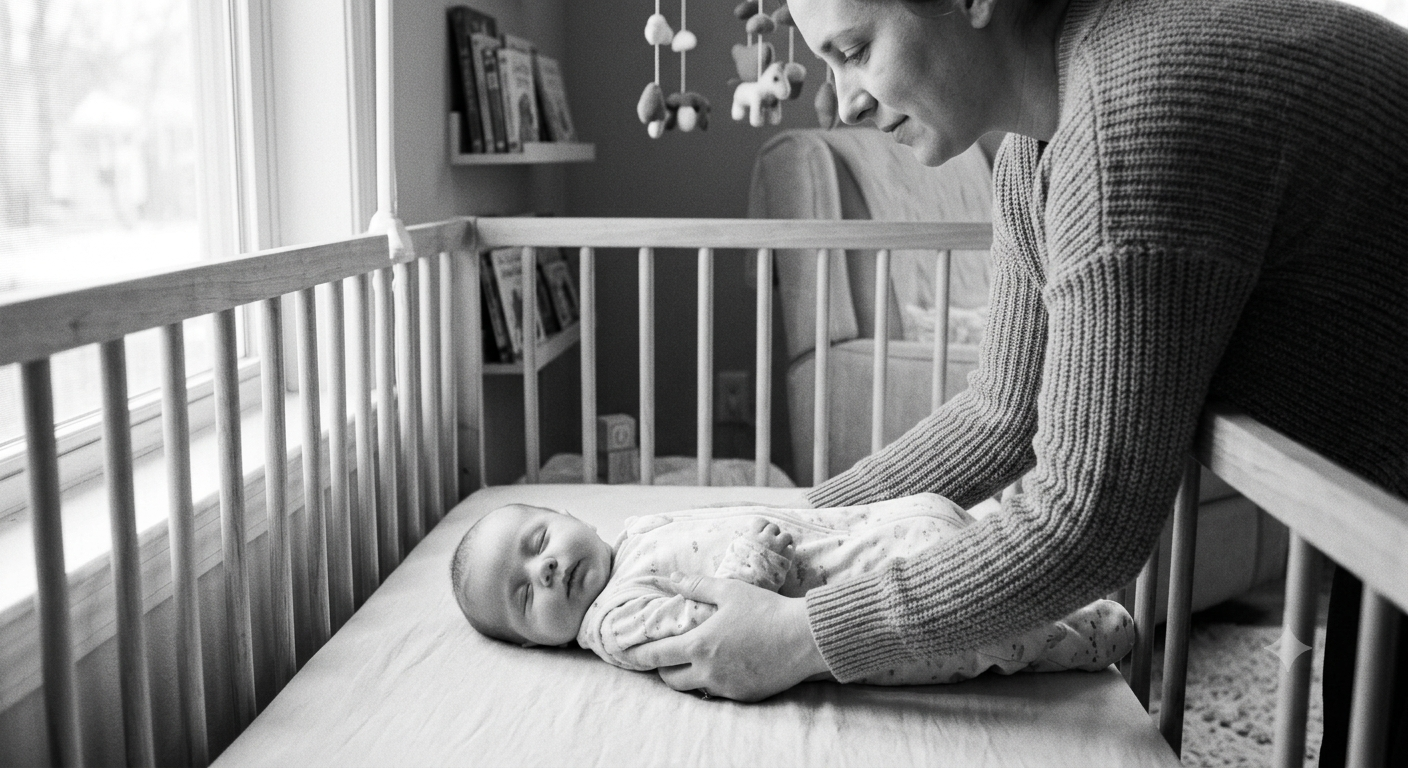
Many parents think baby sleep training starts at night, but the true secret to 10 to 12 hours of sleep begins during the day. Discover why fixing wake windows, balancing daytime calories, and building proper sleep pressure is the missing link to solving frequent night wakes.

When Do Sleep Regressions Happen?Why the Milestone Isn't the Problem
Just when your baby starts sleeping in predictable stretches, a sudden sleep regression hits. While the initial milestone or developmental leap is real, the biological shift usually only lasts a couple of weeks. Discover when sleep regressions typically happen and why the survival habits introduced during the panic are what actually make them stick around long after the leap has passed.

Ferber Method Sleep Training: Why It Fails Many Parents and the Missing Prep Work
The Ferber Method fails for many parents not because the technique is flawed, but because it is started without proper prep work.